







President Trump is laying the groundwork for America’s AI Action Plan at a scale similar to the Manhattan Project.
President Trump is laying the groundwork for America’s AI Action Plan at a scale similar to the Manhattan Project.
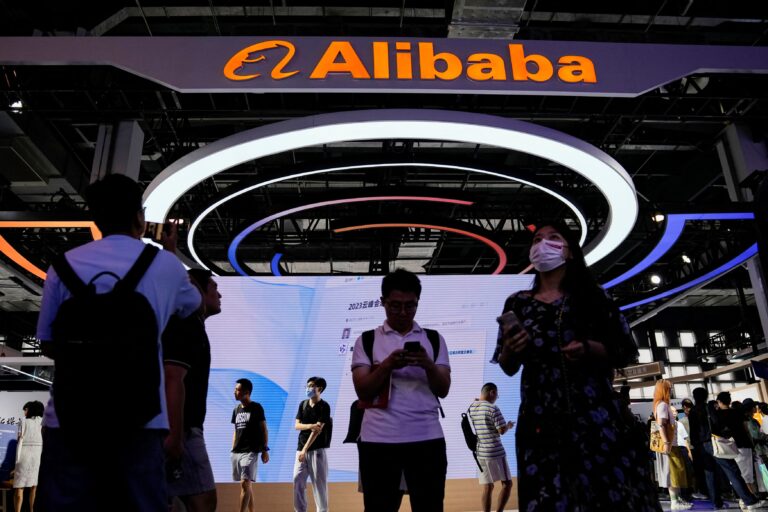
The post Alibaba is helping Chinese military to target U. S., White House memo claims: FT appeared com. BEIJING Alibaba is helping the Chinese military to target the U. S., according to a White House memo, the Financial Times reported Friday. The memo alleged “Alibaba provides tech support for Chinese military ‘operations’ against targets in the U. S.,” according to the FT. The FT said it could not independently verify the claims, and did not publish a full version of the memo. It was not clear when the memo was released. The White House did not respond to requests for comment, while the FT said it stood by its reporting. “The assertions and innuendoes in the article are completely false,” Alibaba said in a statement to CNBC on the FT report. “We question the motivation behind the anonymous leak, which the FT admits that they cannot verify,” Alibaba said. “This malicious PR operation clearly came from a rogue voice looking to undermine President Trump’s recent trade deal with China.” U. S. President Donald Trump and Chinese President Xi Jinping met in South Korea last month for the first time since Trump began his second term in January. The leaders agreed to a rollback of tariffs and export controls for 12 months, easing bilateral tensions that have escalated this year. The lack of details in the FT report “does raise the question of whether some of the China hawks in the administration are trying to undercut the President’s deal with Xi Jinping,” Andy Rothman, founder of consulting firm Sinology, said Monday on CNBC’s “Squawk Box Asia.” He pointed out that Trump had not said anything about the FT report, while noting that all the major U. S. cloud computing companies have contracts with the U. S. government. Weekly analysis and insights from Asia’s largest economy in your inbox Subscribe now The U. S. has ramped up efforts over the last few years to restrict.
The global electronic materials and chemicals market size was valued at USD 73. 94 billion in 2024 and is projected to reach USD 106. 11 billion by [read full press release.].
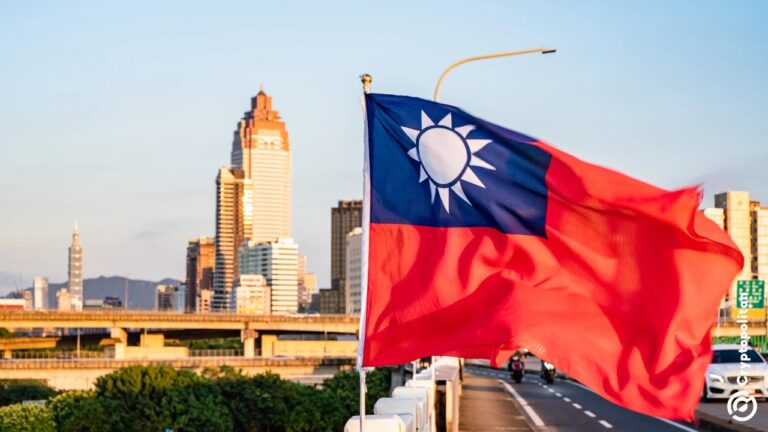
The post Taiwan’s exports surged 49. 7% in October, driven by record global demand for AI appeared com. Taiwan’s Ministry of Finance (MOF) data revealed that Taiwan’s exports reached $61. 80 billion in October, a 49. 7% increase over the same period in the previous year. According to MOF, the rise is due to growing demand for semiconductor and artificial intelligence (AI) products. The increase in exports marks the biggest growth in almost 16 years. According to MOF data, the overall amount of imports reached US$39. 22 billion, a 14. 6% increase from the previous year. The ministry stated that the trade balance of US$22. 58 billion in October 2025 was beneficial. AI demand is driving Taiwan’s export boom Taiwan is in negotiations to lower the 20% tax on its shipments to the U. S., although semiconductors are currently excluded. According to the ministry, Taiwan’s export momentum is anticipated to be boosted by the typical peak season of year-end shopping in Western markets, as well as the ongoing acceleration of AI and HPC applications. The ministry now projects that exports will reach $600 billion in 2025, a 30% annual growth. MOF claimed that, while U. S. tariff policies are developing and geopolitical uncertainties persist, the future of the world economy remains uncertain, necessitating close observation. According to the MOF statistical bulletin, released on October 30, data centers are being built and upgraded more quickly worldwide as AI technologies and applications expand. The ministry further stated that the market for memory and related storage devices has been growing due to the growth of AI technologies. For instance, between January and September 2025, Taiwan’s DRAM shipments increased 99. 0% year-over-year to US$11. 5 billion. The exports of computer parts and accessories, including memory modules, increased 1. 3 times to US$23. 9 billion, both of which established new records. On the other hand, exports of other computer storage units, such as hard disk drives (HDDs) and solid-state non-volatile storage devices ( SSDs),.
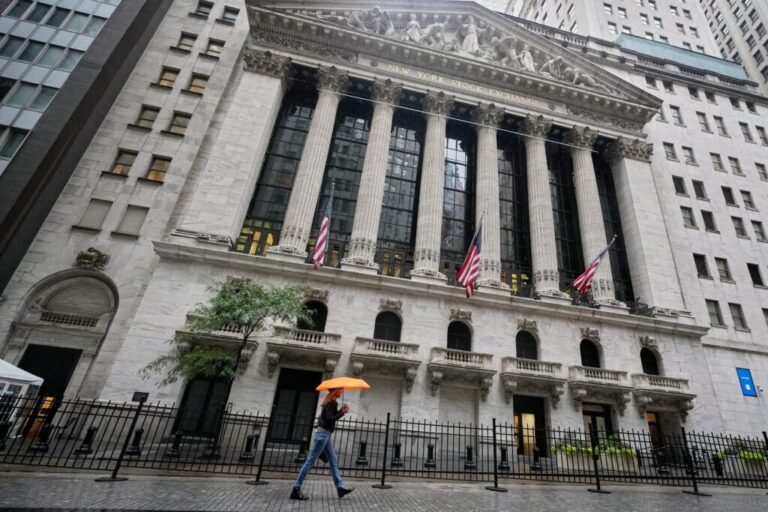
BANGKOK (AP) Asian markets surged Monday after Wall Street finished a winning week, overcoming worries over bank lending and.