







Stem cells from body fat may repair spinal fractures
 2025 年 11 月 15 日
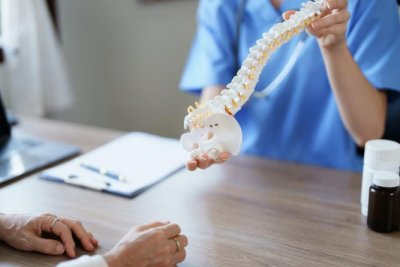
Japanese Researchers Explore Minimally Invasive Stem Cell Therapy to Repair Spine Fractures
A team of researchers at Osaka Metropolitan University is testing a surprising and minimally invasive method to repair spine fractures caused by osteoporosis, a bone-weakening disease affecting millions worldwide.
The study focuses on using stem cells derived from fat tissue to heal breaks similar to those commonly seen in patients with osteoporosis. “This simple and effective method can treat even difficult fractures and may accelerate healing,” said Dr. Shinji Takahashi, an orthopedic surgeon and clinical lecturer at the university. He added, “This technique is expected to become a new treatment that helps extend the healthy life of patients.”
While the new method has so far only been tested in mice, the initial results are promising. Researchers believe this approach could offer a less invasive alternative to traditional treatments for bone diseases.
### Easy and Gentle Collection of Stem Cells
One of the key advantages of this technique is the ease of collecting stem cells, even from elderly patients. The process imposes minimal strain on the body, making it a gentle option for treating bone disease.
The researchers tested the method in rats with spinal injuries analogous to fractures common in individuals with osteoporosis. Stem cells, known for their ability to develop into various tissue types—including bone—were extracted from fat tissue and coaxed into forming spheroids. These 3-D cell clusters mimic different tissue types, including bone.
### Combining Stem Cells with Bone-Rebuilding Material
To enhance the healing process, the stem cell spheroids were combined with beta-tricalcium phosphate, a material known to promote bone regeneration. The result? Laboratory mice showed improvements with healthier and stronger backbones.
Moreover, genes associated with bone formation and regeneration became more active following treatment, suggesting the therapy stimulates the body’s natural healing processes.
### Promising Potential for Future Treatments
“This study has revealed the potential of bone differentiation spheroids using ADSCs for the development of new treatment of spinal fractures,” said Dr. Yuta Sawada, an orthopedic surgeon and graduate medical student leading the study. He emphasized patient safety, noting, “Since the cells are obtained from fat, there is little burden on the body, ensuring patient safety.”
### Osteoporosis and Its Impact
Osteoporosis affects an estimated 20 million Americans, predominantly older women experiencing hormonal changes during menopause, according to the U.S. Food and Drug Administration (FDA). Compression fractures of the spine resulting from this condition can cause long-term disability and severely impair quality of life.
### Publication and Further Information
The findings of this study were recently published in the journal Bone & Joint Research.
For more information on the promise of stem cells for medical treatments, visit the Mayo Clinic’s resource page.
—
This innovative research offers hope for a future where spine fractures caused by osteoporosis can be treated effectively with minimally invasive techniques, improving outcomes and quality of life for millions of patients.
https://www.upi.com/Health_News/2025/11/15/japan-spine-fracture-repair-stem-cells/7761763226439/