


Hochul wants to open medical marijuana center — but critics say plan is half-baked
 2026 年 1 月 14 日
New York’s Health System May Soon Have the Nation’s First Medical Center for Cannabis Care
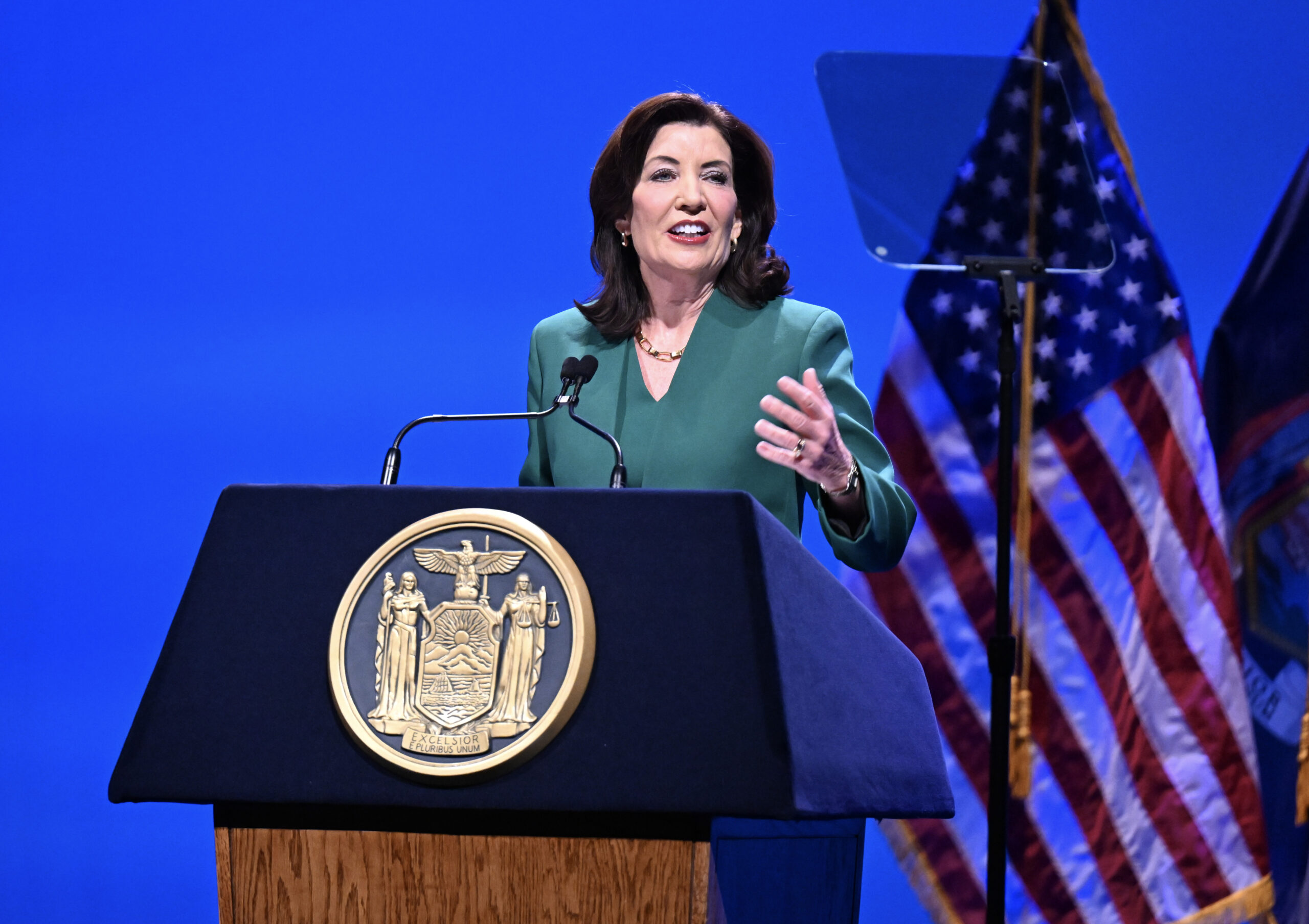
Governor Kathy Hochul has announced plans to open what could become the nation’s first medical center dedicated to “cannabis care.” The proposed “Center for Excellence for Cannabis Care and Health Equity” aims to offer residencies for medical professionals in training who want to combine traditional healthcare with expertise in medical cannabis.
Hochul claims the center will improve access to medical marijuana in minority communities, a step she says will address disparities in healthcare. However, critics have been quick to challenge the proposal.
**Critics Question Priorities Amid Other State Challenges**
Bruce Blakeman, Nassau County Executive and Republican candidate challenging Hochul in the upcoming November election, criticized the plan sharply. “Kathy Hochul must be high if she thinks taxpayers want a ‘Center for Cannabis Excellence’ while schools are failing, streets are unsafe, and families can’t afford New York,” Blakeman said. “As Governor, my top priorities will be tax relief, safer streets, and better schools for you and your family.”
**Addressing Racial Disparities in Medical Cannabis Care**
Although Hochul highlighted the new center during her 2026 policy book unveiling alongside her State of the State speech, she did not provide specific details on how it would tackle alleged racial disparities in medical marijuana care.
According to the policy document, “Black and Brown neighborhoods in New York tend to have more recreational cannabis dispensaries and fewer medical cannabis dispensaries and pathways to clinical care than other neighborhoods.” The center is intended to train clinicians on cannabis pharmacology, evidence-based care, and patient counseling — topics rarely included in standard medical education.
“We are developing the center in collaboration with medical schools and residency programs to ensure providers beyond medical dispensaries can offer informed counseling and manage ongoing care for prospective medical cannabis patients,” the policy book stated.
**Licensing and Training Initiatives Under Consideration**
A spokesperson for Governor Hochul confirmed to *The Post* that the center may even offer state-issued licenses to doctors and nurses trained specifically in medical marijuana treatment. “It’s all on the table. It’s being explored,” the spokesperson said. “We are in communication with medical schools to create a model for this program.”
**Scientific Skepticism and Safety Concerns**
This proposal follows a 2025 scientific study led by UCLA researchers that questioned many claimed benefits of medical marijuana. The study found “insufficient evidence” supporting cannabis’s effectiveness in treating acute pain, PTSD, rheumatoid arthritis, and similar conditions. It also noted that users of high-potency cannabis were more prone to psychotic symptoms and generalized anxiety disorder.
State Sen. George Borrello (R-Jamestown) expressed concerns about the ongoing rollout of legal cannabis in New York. “Probably won’t help. Ever since the irresponsible rollout of legal weed in New York, people are ‘self-medicating’ with cannabis, even while they’re driving. You can smell it every day,” he said.
**Challenges in the Cannabis Industry Rollout**
New York currently has more than 550 cannabis dispensaries, but the last three years have seen bureaucratic errors and legal disputes. The Office of Cannabis Management admitted to errors with buffer zone regulations between licensed cannabis stores and schools.
New York legalized cannabis for medicinal purposes a decade ago, allowing patients with doctor prescriptions to use it to ease chronic pain and other illnesses. However, the number of medical dispensaries has sharply declined since the state legalized cannabis for adult recreational use. Advocates say that medical patients have been overlooked in the shift and support increased training for healthcare professionals.
**Industry and Advocacy Groups Respond**
The New York Medical Cannabis Industry Association welcomed Hochul’s initiative, stating, “We are encouraged that Governor Hochul is taking steps to rebuild New York’s medical cannabis program, which has been steadily eroding due to persistent disinvestment and is in desperate need of help.”
They praised the governor’s plans to collaborate with educational institutions to better train healthcare practitioners, but stressed that “there is much more to do.” The group also urged the state to eliminate the medical cannabis tax — a levy not applied to any other medicine in New York.
Osbert Orduna, CEO of The Cannabis Place in Middle Village, Queens, applauded the idea of a cannabis care center. “There’s a lack of access for medicinal cannabis patients,” he said. “Doctors receive very little training about cannabinoids. It’s a good thing for medical professionals to have the knowledge. It’s a specialty to understand how cannabis works and how it interacts with the body.”
Orduna also suggested that lowering taxes on products at recreational dispensaries would better serve medicinal patients, as medical cannabis products currently face a 10% higher tax compared to regular marijuana stores.
**Additional Plans to Support Cannabis Business Growth**
Governor Hochul also unveiled plans to strengthen the cannabis supply chain by creating a cannabis business incubator network. This initiative would offer funding for loans to existing merchants, startup capital for new businesses, a business development grant fund, and partnerships with SUNY and CUNY to support industry growth.
—
As New York navigates the complex landscape of cannabis legalization, Governor Hochul’s proposed medical cannabis center could mark a significant development in how the state approaches cannabis care and health equity. The coming months will reveal how the proposal balances scientific skepticism, public safety concerns, and the needs of patients and businesses alike.
https://nypost.com/2026/01/14/us-news/hochul-wants-to-open-medical-marijuana-center-but-critics-say-plan-is-half-baked/