







Food pantries warn of impending crisis as SNAP benefits return but eligibility tightens
 2025 年 11 月 20 日
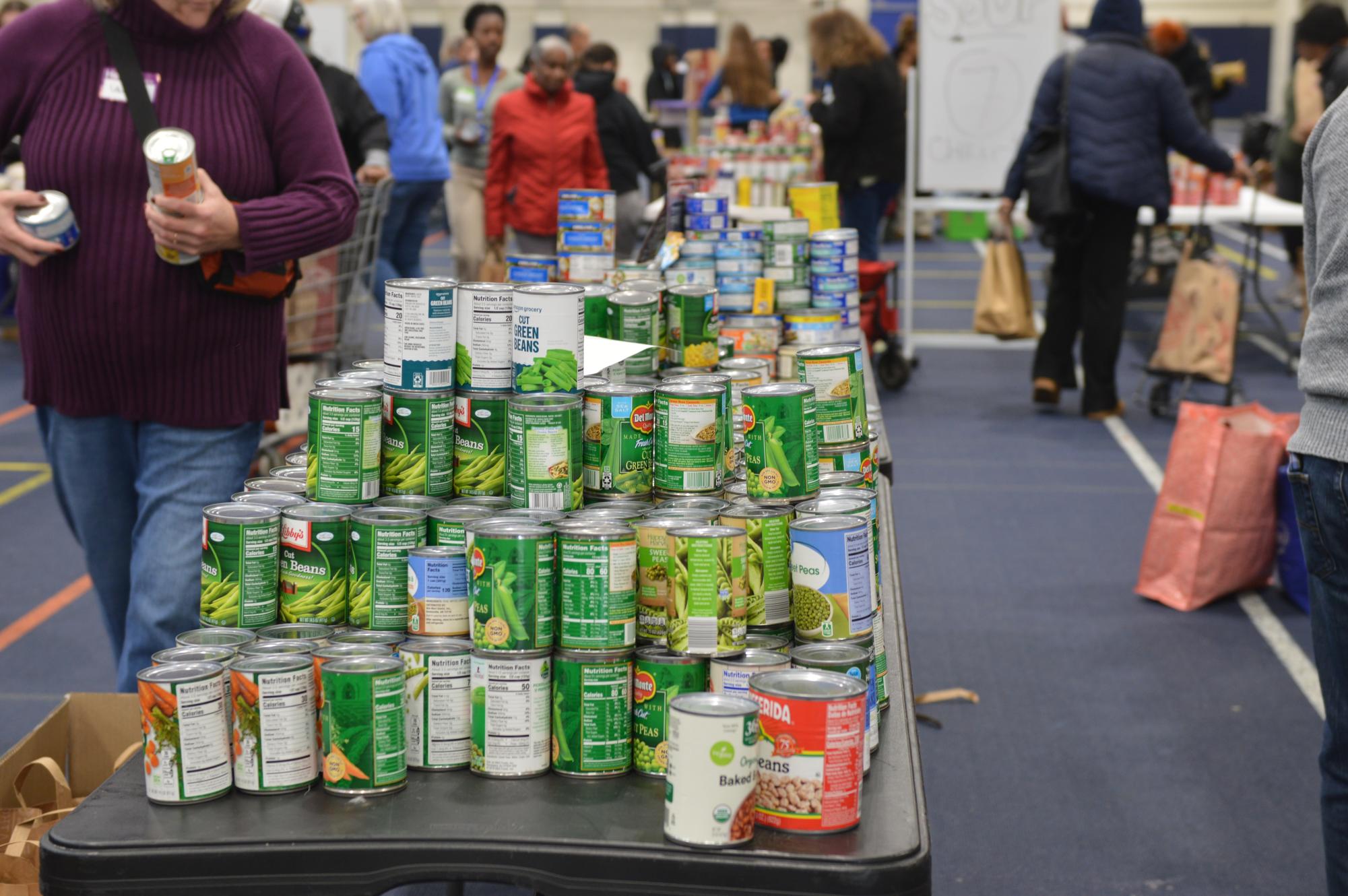
The Illinois Department of Human Services said it will fully distribute November’s Supplemental Nutrition Assistance Program benefits by Thursday, weeks after the federal government froze and then halved its usual payments during the now-resolved government shutdown. But that temporary freeze foreshadowed future challenges as the Trump administration advances stricter eligibility rules for the program, according to Camerin Mattson, communications manager for the Greater Chicago Food Depository. “The past couple of weeks have shown how vital SNAP is to our neighbors and what an essential lifeline it is,” Mattson said. “We just got a really dark preview of the crisis to come when additional people are removed from SNAP long-term.” Nearly 16, 000 legally present immigrants across Illinois are set to lose access to SNAP starting Dec. 1. Meanwhile, under the One Big Beautiful Bill Act that was passed in July, veterans, people ages 55-64, homeless individuals and adults whose at-home children are 14 or older will be reclassified as “able-bodied adults without dependents.” Generally, this group must meet work requirements or can “only receive benefits for three months during a three-year period,” an IDHS spokesperson wrote in an email statement to The Daily. The department distributes SNAP benefits to nearly 2 million residents statewide. With this reclassification scheduled to take effect in February, IDHS estimates Illinois’ SNAP caseload could fall by 340, 000 people by May 2026. Ashli Wade, the associate director of development-community engagement at Connections for the Homeless, said her organization typically sees around 50 people per week at its food pantries. This month, they have seen “up to 70 people a day,” she said. “Of course, twice a month the second and fourth Tuesday we have our delivery from the Greater Chicago Food Depository. That’s fresh food and fresh produce, and we usually have a line down the block because our community knows about those,” Wade said. “But in between, our shelves are pretty bare.” In response, Connections organized a food drive with Indivisible Evanston on Nov. 10, hoping to stock up on both perishable and nonperishable items, Wade said. She emphasized that even though SNAP benefits are returning and face an uncertain future, Connections is focused on “upping (its) food pantry no matter what.” Mattson said that during this month’s SNAP freeze, GCFD increased its donations to partner food pantries like Connections and hosted several of its own emergency food distribution events in especially vulnerable communities across the Chicago area. “People showed up for the 10 o’clock distributions as early as seven or 7: 30 in the morning to stand in line,” Mattson said. “And it was chilly on some of those mornings I was out there myself. If that doesn’t tell you something about the importance of SNAP and the state of food insecurity in our nation, I don’t know what does.” Candace Davis, part of Indivisible’s leadership team, said turnout at donation events has also increased as Evanston residents become more aware of injustices occurring in their community. She added that recent federal immigration enforcement has made distributing food more difficult but has also compelled many residents to donate their time and money. “There are people who are helping people who are in fear of ICE, and the stories they’re telling are about people who can’t go out of their house they’re afraid of being snatched off the streets,” Davis said. “So they’re having people in various groups bring them food.” Wade said that during Connections’ annual Winter Warmth event, which distributed coats and other cold-weather necessities earlier this month, the group moved the line of guests which would typically stretch around the block indoors to protect vulnerable community members. She said that Connections has had “case managers” who grocery shop on behalf of those trying to protect themselves and provide for their families. Moving forward, Mattson stressed that the “emergency food system,” including food banks like GCFD and its partner food pantries, can only provide so much. “For every meal we provide now, SNAP provides nine. That tells you how big this program is and shows that it’s designed to be our front-line defense against hunger,” Mattson said. “So when that was frozen for all participants, for any length of time, that is devastating.” She said that while new work requirements might “sound good on the surface,” many current SNAP recipients could still slip through the cracks, including those with limited transportation options and unpaid caregivers. Mattson also disputed allegations of widespread fraud among SNAP recipients, which have been recently promoted by U. S. Secretary of Agriculture Brooke Rollins, whose agency funds the food assistance program. Mattson said that while the uncertainty surrounding the new eligibility requirements has been challenging for food banks like GCFD, it pales in comparison to the challenges facing families who depend on SNAP benefits. “As challenging as it is for us who work in this industry, I have to think about how challenging this is for people for whom SNAP isn’t just a policy,” Mattson said. “This is their livelihood, this is their quality of life, and this is whether they have food to put on the table for dinner that night.” Yong-Yu Huang contributed reporting. Email: [email protected] X: @jdowb2005 Related Stories: SNAP benefits to return, but new restrictions may leave families in limbo ‘We can feed the kids’: Soul & Smoke’s community fridge fills gap left by SNAP cuts.
https://dailynorthwestern.com/2025/11/20/city/food-pantries-warn-of-impending-crisis-as-snap-benefits-return-but-eligibility-tightens/