





US targets mine-laying vessels in the Strait of Hormuz amid disruption of oil traffic
 2026 年 3 月 19 日
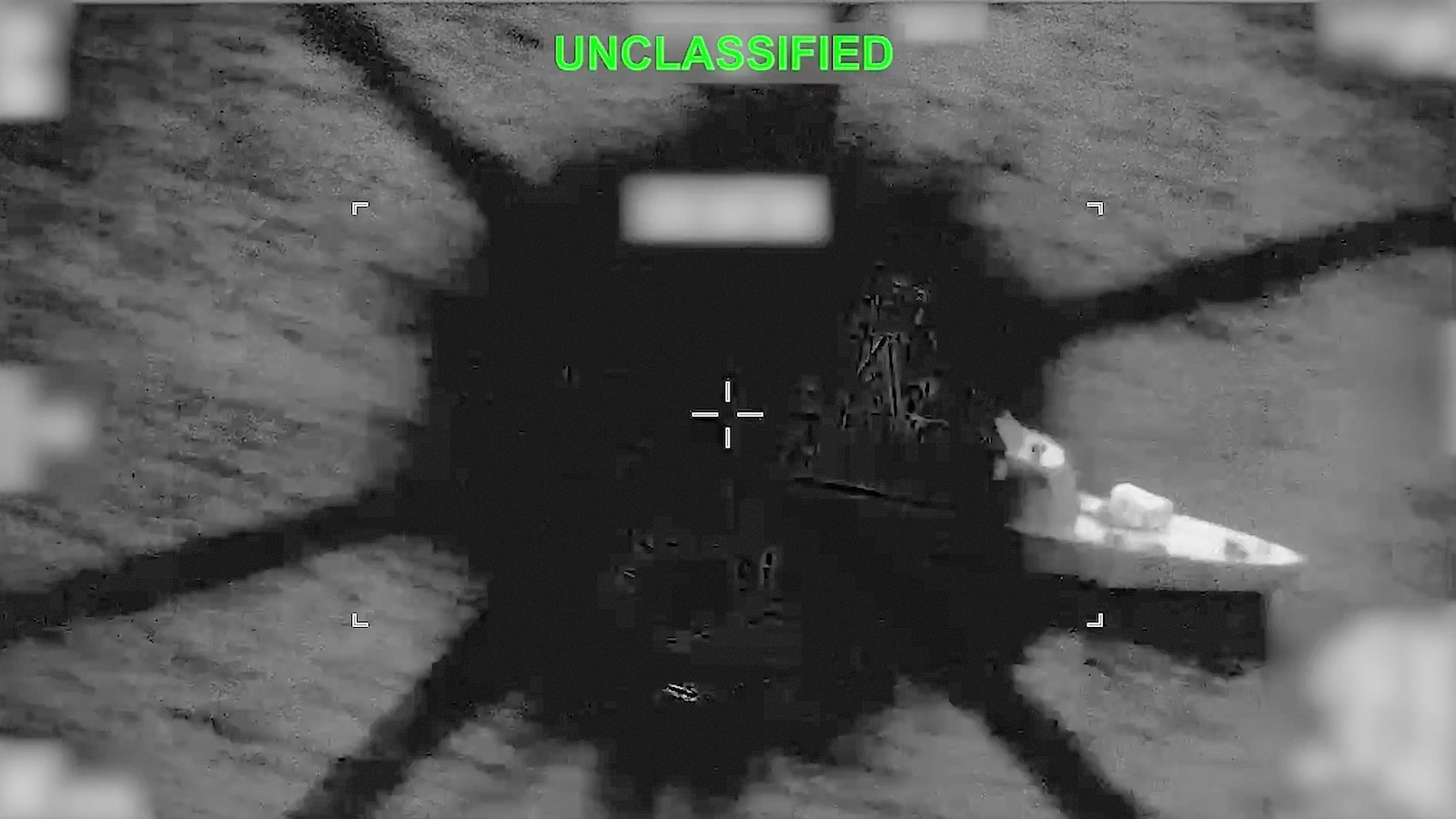
The Pentagon is zeroing in on mine-laying vessels that are helping Iran maintain a stranglehold over the Strait of Hormuz, military leaders said Thursday, as markets continue to feel the impact from the waterway’s closure.
Gen. Dan Caine, chairman of the Joint Chiefs of Staff, told reporters at the Pentagon that the U.S. had destroyed 44 mine-laying Iranian vessels in efforts to combat Tehran’s capability to mine the strait and threaten commercial vessels, which have largely avoided sailing through the area.
Air Force A-10 Warthog attack jets are now “in the fight,” Caine said, actively hunting fast boats that Iran could deploy to mine the strait. The A-10, a workhorse for close air support since the 1970s, is capable of attacking enemy forces in close proximity to U.S. troops. Its signature weapon, a 30mm chain gun, can fire up to 4,200 rounds per minute, according to General Dynamics, the manufacturer.
President Donald Trump has stated that if necessary, U.S. Navy warships could escort commercial shipping through the strait in convoy operations to facilitate the roughly 20% of the world’s oil trade that normally transits the waterway. However, military experts have told ABC News that the Navy cannot begin escort duties until the mine threat is addressed.
While seated with Japanese Prime Minister Sanae Takaichi in the Oval Office, Trump said Thursday that the U.S. military could manage the challenge without assistance from its European allies.
Caine added that he would review a “range of options to set the military conditions” with the president if ordered to escort commercial vessels through the strait.
Currently, two of the Navy’s three warships with counter-mine capabilities based in the Middle East—typically stationed in Bahrain—were in a different theater undergoing scheduled maintenance on Wednesday, a Navy spokesperson told ABC News. The USS Tulsa and USS Santa Barbara, both equipped with counter-mine systems and autonomous technology, are in Singapore for maintenance and logistics, according to Navy Cmdr. Joe Hontz. The War Zone previously reported the vessels had left Central Command. The Pentagon has not disclosed the whereabouts of the third ship, USS Canberra.
The U.S. Navy no longer operates any ships exclusively designed to hunt and sweep mines; its four vessels dedicated to that mission were decommissioned in September.
Central Command has publicized military actions targeting the Iranian mine threat, including recent strikes with bunker-busting bombs along Iran’s coastline. These measures aim to counteract potential Iranian anti-ship missile launches at vessels transiting the strait.
Mines remain an effective, low-cost, and easily deployed “asymmetric weapon,” explained retired U.S. Adm. James Foggo, former commander of the U.S. Navy’s Sixth Fleet. “Some might say [mines are] a poor man’s weapon,” Foggo noted. “If you don’t have anything else, you lay mines. Any vessel is a minelayer. You could have a boat that looks like a fishing vessel running around and rolling mines off the stern in the dark.”
Military experts also told ABC News that Marines deploying to the region could participate in ground raids—short combat landings followed by swift withdrawals—to target Iranian assets such as missile and drone depots along the coastline that threaten U.S. and commercial vessels.
“We have the capability” to clear mines from the Strait, Foggo stated, “but it needs to get there, and before you put the capability to work, you have to suppress the Iranian ability to attack you from other means than mines.”
Foggo speculates the warships are in Asia “because the resources are being husbanded and put into some kind of safe haven so they could be used, if necessary, if the Iranians mined the straits.”
President Trump remarked Thursday that Japan was “really stepping up to the plate,” though he did not provide details. Taking a jab at European allies, he added, “Unlike NATO… we don’t need anything from Japan or anyone else, but I think it’s appropriate that people step up.”
Trump has repeatedly urged other countries to assist in reopening the strait.
Speaking to Japanese media after the meeting, Prime Minister Sanae Takaichi condemned the escalating crisis but stopped short of committing to assist militarily. “While the conversation was of a sensitive nature, the consensus was that ensuring the safety of the Strait of Hormuz is of the utmost importance,” she said. “However, there are certain actions we can and cannot take within the scope of Japanese law, so I provided a detailed and thorough explanation of this matter.”
Foggo, who also commanded Allied Joint Force Command in Italy, described an operation to de-mine the strait as “a big lift for the United States.”
European leaders have expressed reluctance to involve their militaries in the strait amid active hostility between the U.S., Iran, and Israel, reasoning they did not initiate the conflict.
“I think we do need their help,” Foggo said of European allies. “You always want allies and partners and friends with you, so I’m glad that the president asked for help. I understand there’s some reluctance there,” he added.
—
ABC News’ Steven Beynon, Isabella Murray, and Emily Chang contributed to this report.
https://abcnews.com/Politics/us-targets-mine-laying-vessels-strait-hormuz-amid/story?id=131228813