







Why 28 Years Later: The Bone Temple Bombed At The Box Office
 2026 年 1 月 25 日
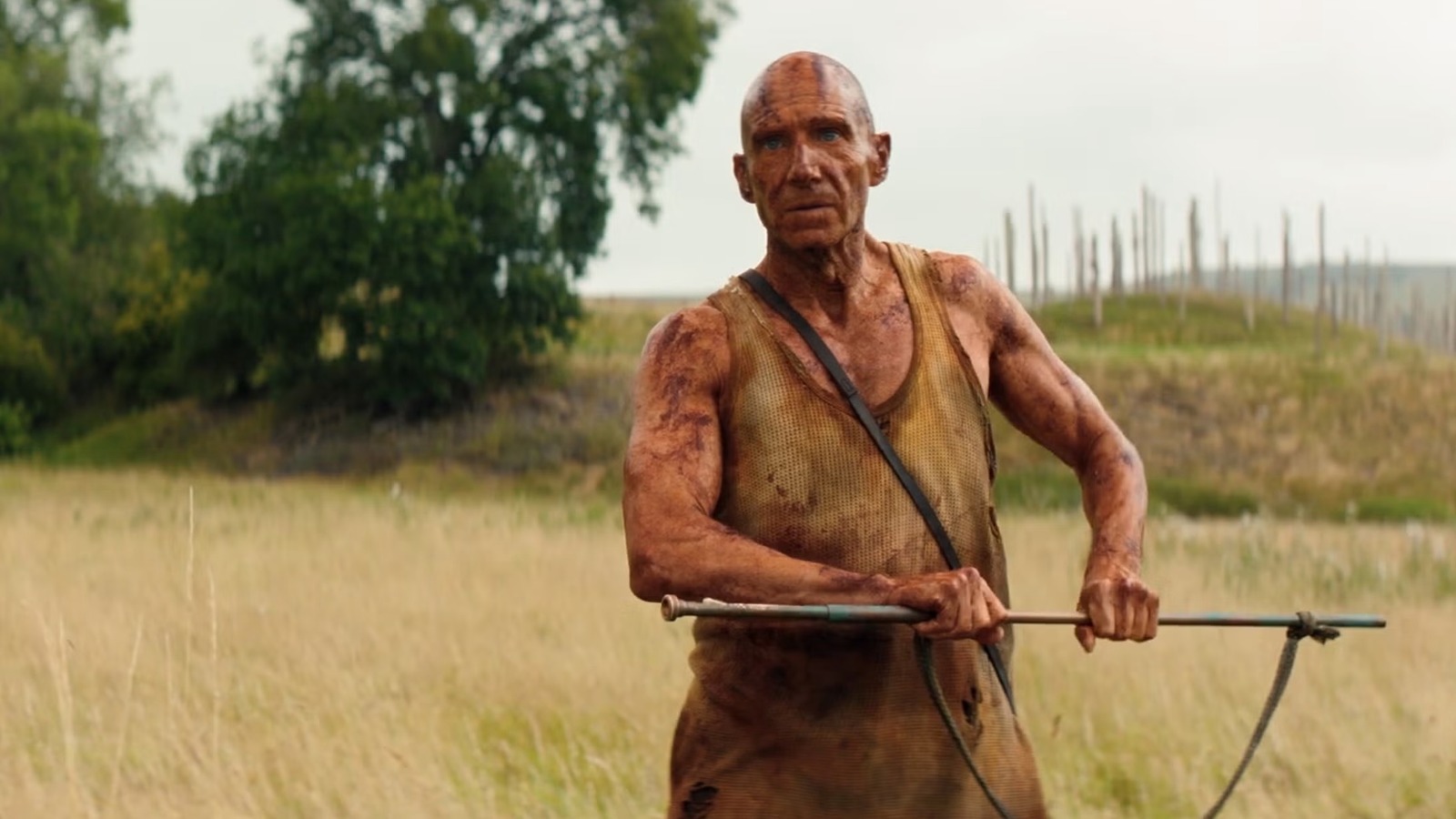
The entire “28 Days Later” universe timeline recently expanded to include an excitingly distinctive take in this franchise. *28 Years Later: The Bone Temple* is a spectacularly engaging creation with real artistic moxie from writer Alex Garland and director Nia DaCosta.
Rather than just rehashing the vibes of prior entries, this *28 Days Later* sequel alternated between the contemplative and grisly. The necessity of human connection in the face of tragedy, as well as the horrific turmoil people will inflict on others while navigating their own trauma, were the core themes of this weighty and compelling title. Unlike anything else in this franchise, *The Bone Temple* seemed to be a remarkable accomplishment.
Alas, audiences didn’t come out in droves to witness DaCosta’s latest filmmaking triumph (following her directorial efforts *Little Woods* and *Hedda*). Instead, *28 Years Later: The Bone Temple* only opened to $12.52 million—a disastrous number that came in roughly 60% behind the $30 million bow of *28 Years Later* from just seven months earlier.
Opening beneath *The Bye Bye Man* in the pantheon of January horror movies, it’s well worth asking what went awry here. There are countless reasons *The Bone Temple* flopped at the box office, including its release date, its bleak tone, and zombie films having a troubled box office track record. The tremendous factors leading to this financial outcome don’t erase *The Bone Temple*’s many artistic accomplishments; they simply reflect some of the realities of launching weighty theatrical movies in 2026.
—
### Zombies: A Complicated Box Office Challenge
Zombies are everywhere in our culture—from kid-skewing TV shows to horror films, the undead fascinate audiences of all ages. Despite that reality, the box office numbers for zombie movies are surprisingly rough. Few of these titles have ever cracked $100 million or even $75 million domestically.
Perhaps these gnarly creatures (that require an R-rating to be properly realized) are just too unsavory and nasty to attract hordes of theatrical moviegoers. That would explain why the sanitized PG-13 *World War Z* zombies are the biggest exception to this trend. That’s a problem *28 Years Later: The Bone Temple* apparently ran into in its theatrical existence.
Though the in-universe characters and the franchise’s key creative members call them “the infected,” there’s no getting around that these movies focus on zombies. Given how often zombie films falter at the box office, that reality may have innately limited the financial possibilities of *The Bone Temple*.
Plus, some prospective audiences may have seen commercials for this title and noticed little to differentiate it from the deluge of other zombie projects out there. With so many *Walking Dead* spin-offs available, why go to the theater for a *Bone Temple* visit?
There’s no stopping the dominance zombies hold over the broader culture’s imagination. *28 Years Later: The Bone Temple* reaffirmed, though, that the undead aren’t box office powerhouses—even with the aid of a familiar brand name.
—
### Sequels Need Space: Lessons from *The Matrix*
In 2003, *The Matrix Reloaded* launched to massive box office numbers. People had been waiting four years for more *Matrix* stories, and that prolonged wait meant there was a box office explosion when *Reloaded* landed. The only problem, though, was that it diluted the specialness of *The Matrix Revolutions*, which opened just six months later.
This third *Matrix* installment came off like a rehash of something audiences had just seen rather than a long-anticipated sequel. Thus, its domestic box office haul was less than half of what *Reloaded* made.
The lesson here was clear: room to breathe between sequels is crucial. Only the biggest *Avengers* and *Lord of the Rings* adventures can get away with cranking out new titles annually.
It now looks clear *The Bone Temple* got hurt by this same phenomenon. *28 Years Later* in June 2025 was the first entry in the *28 Days Later* saga in 18 years. There was novelty in seeing this brand name on the big screen once more. Just seven months later, though, *The Bone Temple* arrived and couldn’t quite feel like a unique must-see event.
Instead, audiences might’ve been more confused why this brand name was back so quickly, while so many characters and settings being repurposed across both films didn’t help *The Bone Temple* stand out.
Pushing too many *28 Years Later* movies into theaters in just seven months delivered an outcome very familiar to *Matrix* fans everywhere.
—
### January Horror Competition
January has often been a great place to launch new horror films, as seen by the enormous success of *The Devil Inside*, *Escape Room*, and *Insidious: The Last Key*. That track record undoubtedly gave Sony/Columbia Pictures some confidence in dropping *28 Years Later: The Bone Temple* during this historical dead zone at the cinemas.
However, other major studios were also keen on launching their horror properties in 2026’s first month. Just one week before *The Bone Temple*, Paramount Pictures released *Primate*, delivering gnarly monkey business that had audiences screaming. In January 2026’s final two weeks, meanwhile, *Return to Silent Hill* and *Send Help* also courted horror aficionados.
With this month crammed full of new entries in the genre, not all could become smash hits. *The Bone Temple*, despite belonging to a known brand name, undoubtedly got hurt by so many January 2026 horror films targeting similar audiences.
There wasn’t something inherently special about a frightening film opening in this crowded release corridor with *Primate* already in the marketplace. To boot, original projects like *Primate* likely seemed more accessible to casual horror fans than *The Bone Temple*, which followed up on mythology from three different features.
Granted, *The Bone Temple* had enough factors working against it that it’s not like the mere presence of *Primate* chimpanzee Ben took this sequel down financially. Still, having to compete in such a crowded horror cinema landscape did this beleaguered project no favors.
—
### A Bleak, Bold Vision That Challenged Audiences
A remarkable element of *28 Years Later: The Bone Temple* is how writer Alex Garland and director Nia DaCosta fully commit to a bleak vision of a post-apocalyptic Britain.
With lead character Spike now fully detached from the island home he grew up on, he’s entrenched in the brutality Sir Lord Jimmy Crystal dishes out to strangers and allies alike. The result is a movie that unflinchingly portrays how a lust for violence-soaked power drives so many tormented people’s psyches.
The blood-soaked dehumanization plaguing the modern world frightfully endures into a zombie-ridden hellscape. That weighty idea, intertwined with the larger exploration of Britain’s complicated legacy in the *28 Years Later* films, makes for compelling cinema.
It doesn’t, however, make for an easily marketable movie, nor one that screams “big screen escapism” for general audiences.
Many successful January horror movies, like *M3gan* or *Escape Room*, involve cartoonishly unrealistic foes or environments. Audiences still jump at their frights, but their immense removal from reality makes them digestible.
*The Bone Temple*, meanwhile, implores audiences to recognize how its story mirrors real-world atrocities. Given all the bleak headlines filling the news every day in 2026, such reminders of grim reality may not be what people want to see in theaters right now.
A more escapist fright-fest like *Primate* might seem more appealing.
*The Bone Temple’s* bold narrative impulses ended up dooming it in the 2026 box office landscape.
—
### Franchise Fatigue and a Limited Fanbase
Sometimes, producing “surefire” sequels can be a messy process. One massive flop can ensure a major movie franchise never recovers. But what about sagas that were never really franchises to begin with? That’s the problem *28 Years Later: The Bone Temple* and the wider *28 Days Later* franchise have struggled with.
Every *28 Days Later* movie has its share of fans, but none have become explosive, record-shattering hits at the box office. Even back in 2007, when the original *28 Days Later* was still fresh, *28 Weeks Later* couldn’t reach $30+ million domestically. *28 Years Later*, despite decades of anticipation, topped out at $70.44 million in North America.
These aren’t inherently bad grosses, but they also don’t suggest a brand name people show up for in droves every time it hits their local multiplex.
Unlike *Saw* or *Halloween* films, general moviegoers haven’t embraced *28 Days Later* as a horror brand that can sustain endless follow-ups. That left *28 Years Later: The Bone Temple* in a major bind.
Its familiar title, once meant to help it stand out, just tied it to a world that’s never broken into the mainstream.
In this regard, *The Bone Temple’s* box office failings are also the failings of *28 Weeks Later*. A big *28 Days Later* sequel wasn’t a smash in 2007. Why would it be lucrative in 2026?
—
### Budget Woes: Horror’s Profit Model vs. *The Bone Temple*
As the most profitable horror movie of all time can attest, the genre is known for producing cheap titles that generate immense profits. Films like *The Blair Witch Project* or *Paranormal Activity* were made for under $1 million yet ended up making $100+ million domestically.
For these kinds of films, a grand scope or costly famous actors aren’t required. You just need a good hook and some memorable scares, which can be procured even on a shoestring budget.
In contrast, *28 Years Later: The Bone Temple* hit theaters with a hefty budget, allegedly reaching $63 million. It now qualifies as one of those low-budget movies whose sequels receive massive budgets.
For comparison, *Bone Temple* had three times the budget of *Primate*.
It’s somewhat understandable *Bone Temple* would cost that much, given its sprawling practical sets, hordes of undead figures, and actors like Ralph Fiennes. Unfortunately, that also meant profitability was a tremendous hurdle right from the start.
To break even theatrically, *Bone Temple* would’ve needed to hit $160+ million worldwide—a figure only two R-rated horror movies (*Us* and *It: Chapter Two*) reached in 2019.
In other words, this *Bone Temple* release had to defy all the box office odds to turn a profit.
From the very beginning, *28 Years Later: The Bone Temple* stubbornly ignored the reality that horror thrives at the box office when kept cheap.
—
### Sony’s Sparse Film Slate and Marketing Challenges
Excluding anime releases like new *Demon Slayer* and *Chainsaw Man* movies, Sony released only four new theatrical films across its Columbia, TriStar, and Screen Gems labels in the final four months of 2025. That’s a meager slate, compounded by underperformers like *A Big Bold Beautiful Journey* and *Soul on Fire*.
By comparison, the smaller studio A24 had four new theatrical releases across just the last three months of 2025, including solid performer *Eternity* and breakout hit *Marty Supreme*.
Sony’s lackluster slate in late 2025 created problems for movie theaters and moviegoers alike, but it also hindered the January 2026 Columbia Pictures release of *28 Years Later: The Bone Temple*.
Without a deluge of late 2025 Sony movies to house previews for *The Bone Temple*, a significant marketing opportunity was lost.
Compare this to 2025’s Warner Bros. slate, which featured a steady stream of new releases (*Sinners*, *F1*, *Superman*, *Weapons*, etc.) each able to promote upcoming Warner Bros. films, including original projects needing extra marketing pushes.
That positive symbiotic relationship between features couldn’t happen with Sony’s sparse line-up.
With Sony phoning in its late 2025 cinematic exploits, that lethargy seeped into its first 2026 title. A rising tide of multiple, lucrative 2025 Sony films could have lifted *The Bone Temple* at the box office.
—
### Demographic Disconnect: Missing Gen Z
In 2025, Gen Z moviegoers became the most reliable demographic for theatrical moviegoing. They love seeing films on the big screen and getting a breather from the deluge of technology consuming everyday lives.
Unfortunately, Hollywood’s default tendency to embrace nostalgia aimed at older audiences has kept the American box office from constantly exploiting this demographic.
That problem was once again apparent with *28 Years Later: The Bone Temple*, which skewed far above college-aged audiences in its domestic opening weekend. A whopping 75% of the initial audience was over age 25, with the film apparently attracting more older viewers than the first *28 Years Later*.
Compare that to *The Conjuring: Last Rites*, which blew everyone away by heavily leaning on younger moviegoers.
The biggest problem with *The Bone Temple’s* reliance on older viewers was that it signaled this franchise isn’t growing beyond folks who saw the original *28 Days Later* in theaters in the early 2000s.
Right now, there’s a limited audience for this brand name, which doesn’t bode well for its long-term existence. Wherever the *28 Years Later* saga goes next, it’s clear younger moviegoers won’t be a major part of the equation. After all, they didn’t show up for *The Bone Temple*.
In today’s market, making a movie that doesn’t resonate with younger audiences is more dangerous than romping with a zombie.
—
### Star Power: Ralph Fiennes’ Box Office Pull
Nobody in their right mind would say Ralph Fiennes isn’t a great actor. He’s been delivering amazing performances for decades across a variety of genres.
However, a movie star who can automatically get people into theaters, he is not.
In his career, Fiennes has appeared in only one live-action movie (*Clash of the Titans*) outside the *Harry Potter* or *James Bond* franchises that cracked $150+ million domestically. He’s a sturdy ensemble player who lends films extra prestige but isn’t a headliner that draws massive crowds.
He was called upon as the central focus of the *28 Years Later: The Bone Temple* marketing campaign. With *28 Years Later* stars Aaron Taylor-Johnson and Jodie Comer sitting this installment out, Fiennes was the biggest name beyond Jack O’Connell.
This meant there wasn’t a massively lucrative star plastered on the *Bone Temple* posters to help bolster the box office.
Of course, Fiennes is outstanding as Dr. Kelson in both *28 Years Later* movies, and he truly comes alive in the music-driven *Bone Temple* finale. However, he wasn’t a big enough draw to save the film from a grisly financial fate.
—
### Marketing Missteps: Too Much Focus on the Past
In the final weeks of *28 Years Later: The Bone Temple* marketing, some very specific and limiting promotional materials appeared on TV and the web.
These commercials relied heavily on imagery and footage from *28 Days Later* and *28 Weeks Later*, emphasizing that the saga had been leading to this installment that “changes everything.”
On paper, it’s easy to see why Sony/Columbia Pictures thought this approach would make *Bone Temple* a theatrical event. Tying it directly into its predecessors and reinforcing its narrative significance could help separate it from 2025’s *28 Years Later*.
In execution, though, this approach failed.
For one thing, devoting precious commercial time to images of Cillian Murphy from *28 Days Later* didn’t offer audiences new *Bone Temple* footage that sold why this fresh installment was worth watching.
These ads made *Bone Temple* look like it was solely for *28 Days Later* fanatics. Unless a franchise has a huge pre-existing fanbase like *Five Nights at Freddy’s*, a hit franchise title has to also appeal to newcomers.
Leaning so hard on the past didn’t make *Bone Temple* look accessible.
Even the promise of a franchise shake-up with an ending that “changes everything” reaffirmed this problem. With marketing materials suggesting only a certain crowd would enjoy this title, *The Bone Temple’s* box office suffered.
—
### Conclusion
*28 Years Later: The Bone Temple* is a bold, artistically ambitious entry in the *28 Days Later* universe that delivered weighty themes and compelling drama. Unfortunately, a combination of market oversaturation, demographic disconnect, heavy budget, and marketing missteps doomed it at the box office.
Despite its financial shortcomings, *The Bone Temple* stands as a remarkable accomplishment in the franchise’s cinematic journey—one that challenges audiences to confront difficult truths beneath the zombie apocalypse.
As the *28 Days Later* saga moves forward, it faces the daunting task of reaching new audiences while navigating the brutal realities of modern box office dynamics.
https://www.looper.com/2084609/why-28-years-later-the-bone-temple-bombed-box-office/