







Fatty liver disease may harm your brain—but treating the liver could reverse it
 2025 年 12 月 28 日
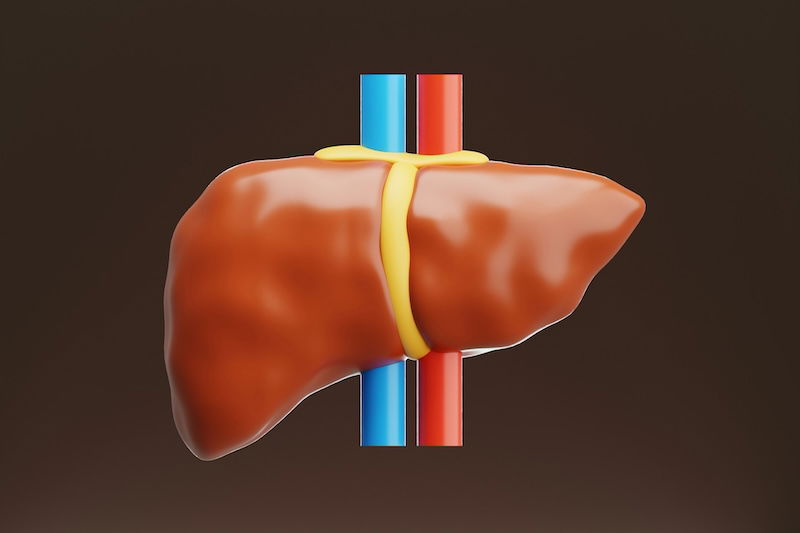
A team of scientists has made an important discovery: problems in the liver caused by a condition called metabolic dysfunction-associated fatty liver disease (MASLD) can directly harm the brain. Even more exciting, they found that treating the liver—not the brain—can reverse these problems.
Their study, published in the journal *Science Advances*, reveals that the connection between the liver and the brain is stronger than previously thought. This finding could pave the way for new treatments targeting memory and learning problems.
### What is MASLD?
MASLD is a growing health issue linked to obesity and poor diet. In this condition, fat accumulates in the liver, causing inflammation and damage. Until now, doctors primarily focused on how MASLD affects the liver and other parts of the body. However, this new study shows that MASLD can also cause changes in brain function and behavior.
### The Study and Key Findings
The research was led by Dr. Malu Martínez-Chantar of CIC bioGUNE in Spain and Dr. Teresa Cardoso Delgado from IIS Biobizkaia. They studied animals that developed liver disease due to an unhealthy diet. These animals began to show signs of memory problems and difficulty processing sensory information.
The scientists focused on the hippocampus—a brain region vital for learning and memory—and found it wasn’t functioning properly in affected animals.
### Reversing Brain Problems by Treating the Liver
What makes this study especially hopeful is that the researchers were able to reverse the brain problems by treating the liver alone. They used an innovative therapy called siRNA, which works at the genetic level.
The treatment specifically targeted a protein called CNNM4, which regulates magnesium movement in and out of liver cells. This protein is altered in people with liver disease. To deliver the therapy directly to the liver, the scientists used a system called GalNAc-siRNA.
After treatment, the animals’ liver inflammation decreased, and their brain function improved. Their memory got better, and their behavior returned to normal.
### Implications and Expert Insights
This is the first time scientists have demonstrated that treating the liver can directly benefit brain function in this way.
Dr. Martínez-Chantar explained, “Our work shows that fatty liver and liver inflammation can directly change how the brain works. This opens up a new way to help people: by treating liver disease, we might also be able to improve brain function.”
Dr. Cardoso Delgado added, “We’re excited that modern molecular biology and targeted therapies can make a real difference for the brain. This is a great example of how precision treatments can have wider effects on the body.”
### The Liver-Brain Axis: A New Frontier
In summary, this study introduces the concept of a **liver-brain axis**, where changes in liver health can influence brain function and behavior. These findings offer researchers and medical professionals a novel approach to treating cognitive problems, especially in patients suffering from liver disease.
If future studies in humans confirm these results, we could one day help patients with both liver disease and memory issues by focusing treatment on the liver instead of the brain.
—
### Want to Support Your Liver Health?
If you care about liver health, consider reading more about simple habits that promote a healthy liver and how common diabetes drugs may help reverse liver inflammation.
For additional health insights, check out recent studies on:
– A simple blood test that can detect your risk of fatty liver disease
– How this green diet may strongly reduce non-alcoholic fatty liver disease
Understanding and supporting liver health could be key not only to physical well-being but also to maintaining a sharp mind.
https://knowridge.com/2025/12/fatty-liver-disease-may-harm-your-brain-but-treating-the-liver-could-reverse-it/