







Texas Cattle Industry Faces Mass Layoffs
 2025 年 11 月 24 日
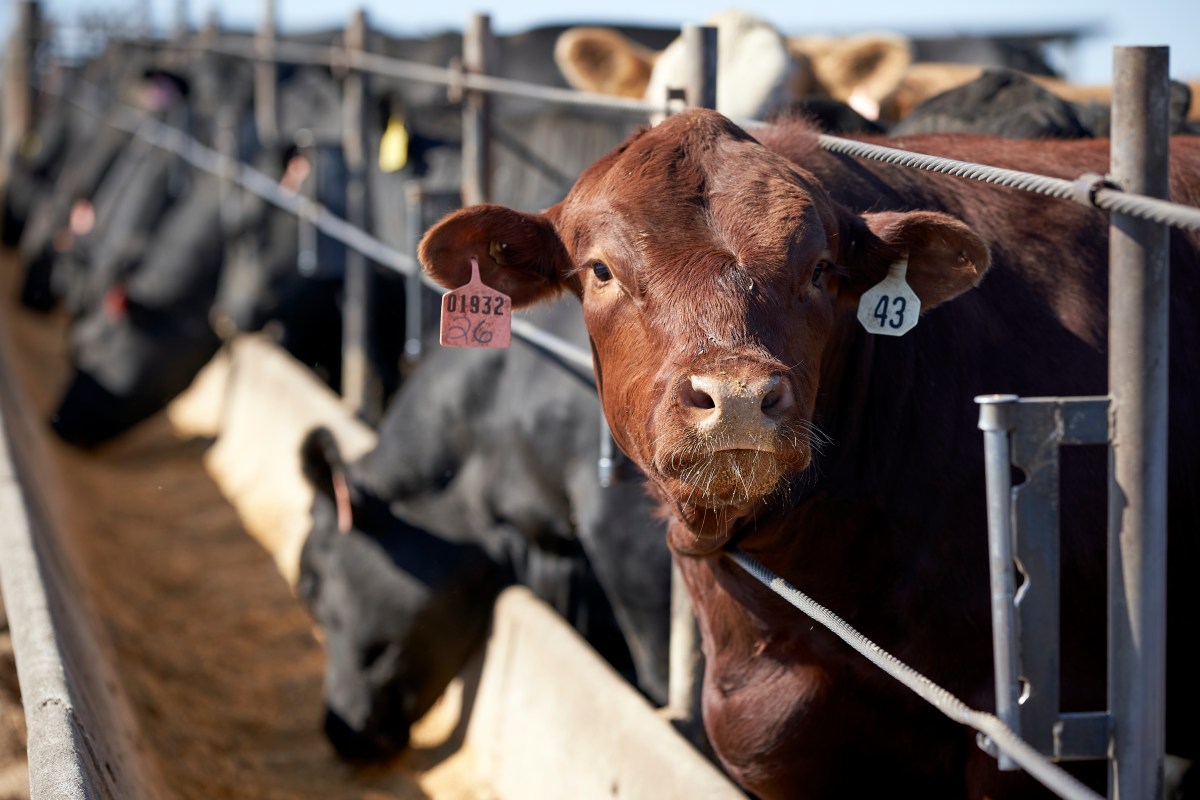
The cattle industry is facing mass layoffs, with Tyson Foods reducing its operations at a major plant in Amarillo, Texas. The move, prompted by historically low cattle supplies and mounting financial losses, is set to impact approximately 1, 700 workers in Texas and thousands more in Lexington, Nebraska, where it is closing down a plant completely, according to Reuters. The plant in Amarillo, capable of processing about 6, 000 cattle daily, industry experts estimate, is a significant Texas employer. Why it Matters The situation underscores a critical moment for the U. S. beef industry, especially in cattle-rich states such as Texas. The U. S. cattle herd has dropped to its lowest level in nearly 75 years, Reuters reports. This sharp decline has forced meatpackers to pay premium prices for limited livestock, escalating input costs and driving job cuts. Tyson Foods’ scale-backs not only threaten local economies that rely on beef processing plants but also point to ongoing hardships for both workers and producers, as cattle supplies remain tight and operational profitability plunges. What To Know Tyson Foods announced in a statement last Friday that it will shut its beef processing plant in Lexington, Nebraska, by January 2026, and reduce the Amarillo, Texas, facility to a single full-capacity shift. The Lexington closure affects roughly 3, 200 employees, while the Amarillo shift cut impacts about 1, 700 workers, according to Reuters. Tyson said it intends to boost production at other facilities to sustain supply and meet customer demand. The decision follows a period of significant losses in Tyson’s beef division-$426 million in the 12 months ending September 27, 2025, with an anticipated loss of up to $600 million in fiscal 2026. The reductions arrive at a time when beef prices for consumers have surged, fueled by tight cattle supply and sustained market demand. Texas’ cattle industry is riding out a rare downturn, with herd numbers shrinking amid relentless drought and escalating inflationary costs. A recent United States Department of Agriculture (USDA) report shows beef-cow inventory in Texas is about 4 percent lower than 2023 levels, dipping to 4. 08 million animals-up by 1 percent from 2024, the lowest beef cow herd count in more than a decade, but lower than every year since 2016. At the same time, inflation has driven up feed, land and operational costs, squeezing profitability despite strong demand for calves, as AVC7 News reports. Robby Kirkland, general manager of Kirkland Feedyard, previously told the outlet: “This is the lowest, the lowest headcount in Texas I’ve seen in my 30 years.” The USDA has unveiled a plan to open federally managed lands for grazing, aiming to ease the pressure on pastures and ensure more grass for cattle, but around 93 percent of the state’s land is privately owned. Seguin rancher Bryan Luensmann told Spectrum News1 that while this may be a good idea in principle, “in Texas, where everything is privately owned, I don’t think it’s feasible. What People Are Saying Tyson Foods said in a statement: “Tyson Foods recognizes the impact these decisions have on team members and the communities where we operate. The company is committed to supporting our team members through this transition, including helping them apply for open positions at other facilities and providing relocation benefits. “With these changes, Tyson Foods is ensuring that it will continue to deliver high-quality, affordable, and nutritious protein for generations to come.” Nebraska Senator Pete Ricketts said in a post on X: “I will do everything I can to support the Nebraskans who are impacted by the decision to close the Tyson Foods plant in Lexington. We must help them stay in our state and find work close to home. This news is especially heartbreaking around the holidays. I ask for Nebraskans to keep the community of Lexington in their prayers. What Happens Next Tyson’s restructuring reflects broader industry realities: the U. S. Department of Agriculture anticipates domestic beef production will fall another 2 percent in 2026. It remains uncertain whether impacted employees will find positions at other Tyson locations or if another processor will purchase the closed facilities.
https://www.newsweek.com/texas-nebraska-cattle-industry-mass-layoffs-11099816